Shaping Innovation Policy: Highlights from Arizona Technology Council’s 2025 DC Fly-In
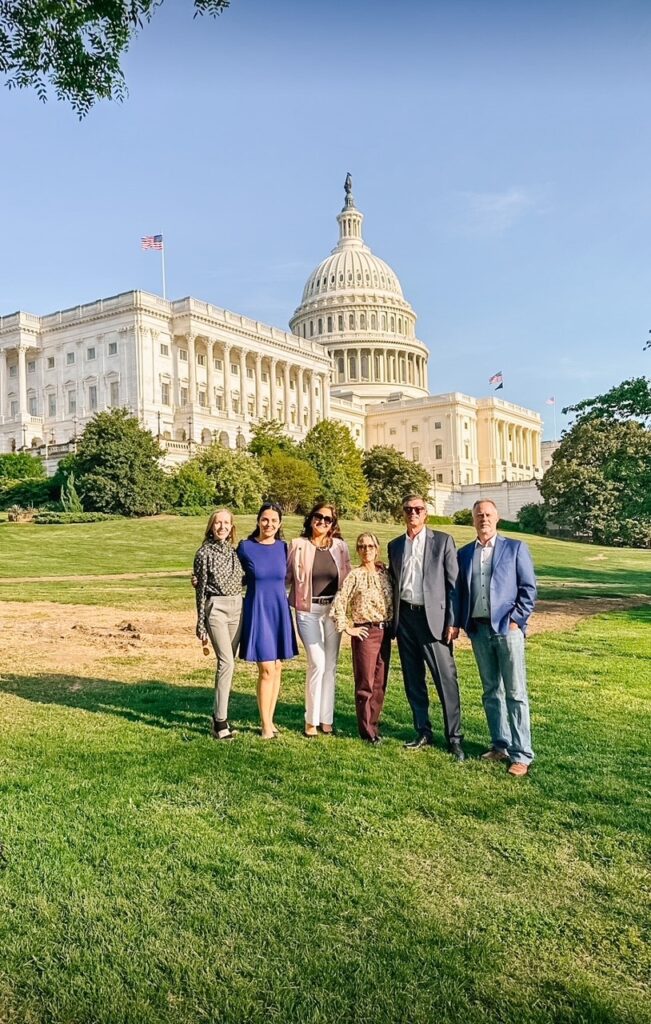
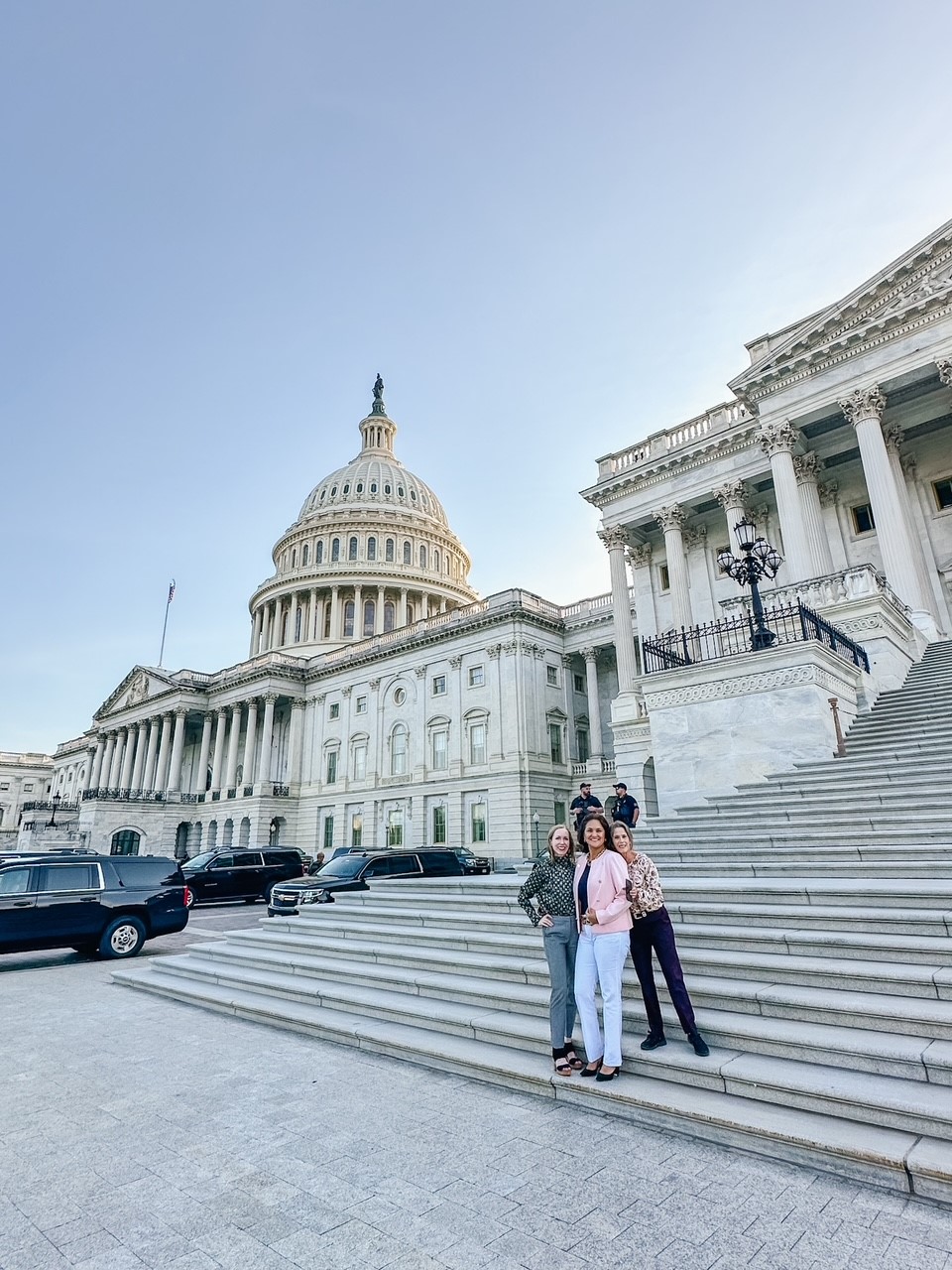
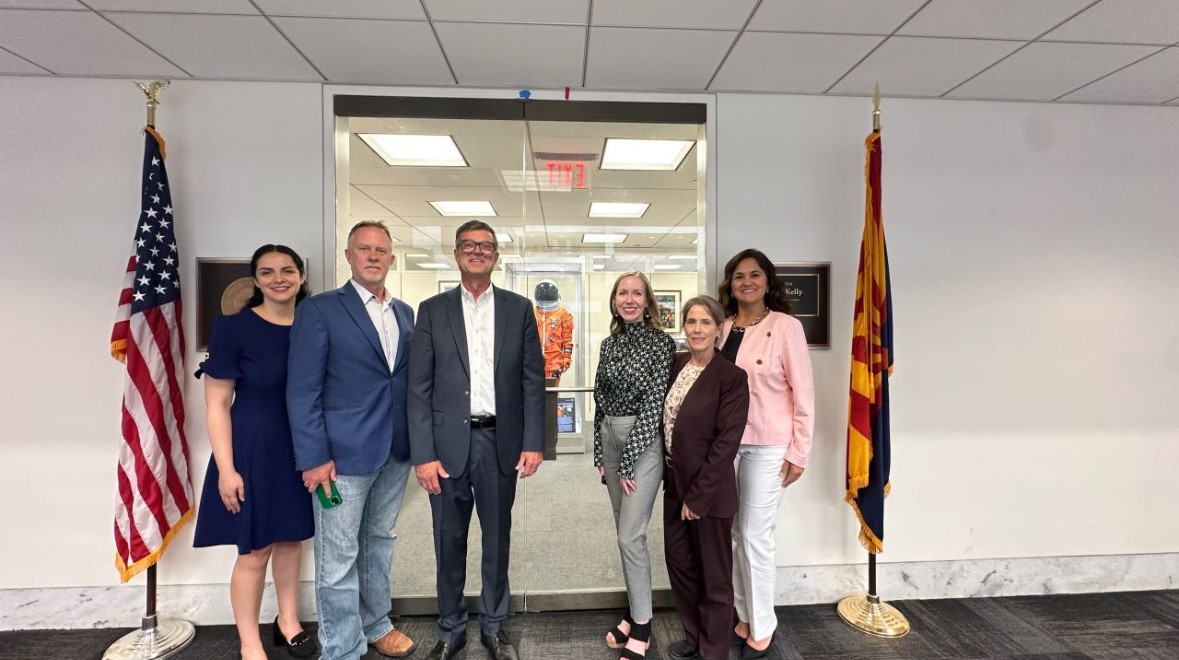
In April 2025, the Arizona Technology Council (AZTC) returned to Capitol Hill for its annual DC Fly-In, a powerful opportunity to represent Arizona’s thriving innovation ecosystem and advocate for federal policies that support the state’s science and technology sectors. With a mission to advance clean energy, research and development and a tech-ready workforce, AZTC joined peer technology councils from across the U.S. as part of the Technology Councils of North America (TECNA) delegation.
Representing more than 750 member companies statewide, including startups, small businesses and global leaders like Intel, TSMC, and Honeywell Aerospace, the Council’s team engaged directly with Arizona’s congressional offices to make the case for continued investment in innovation and competitiveness.
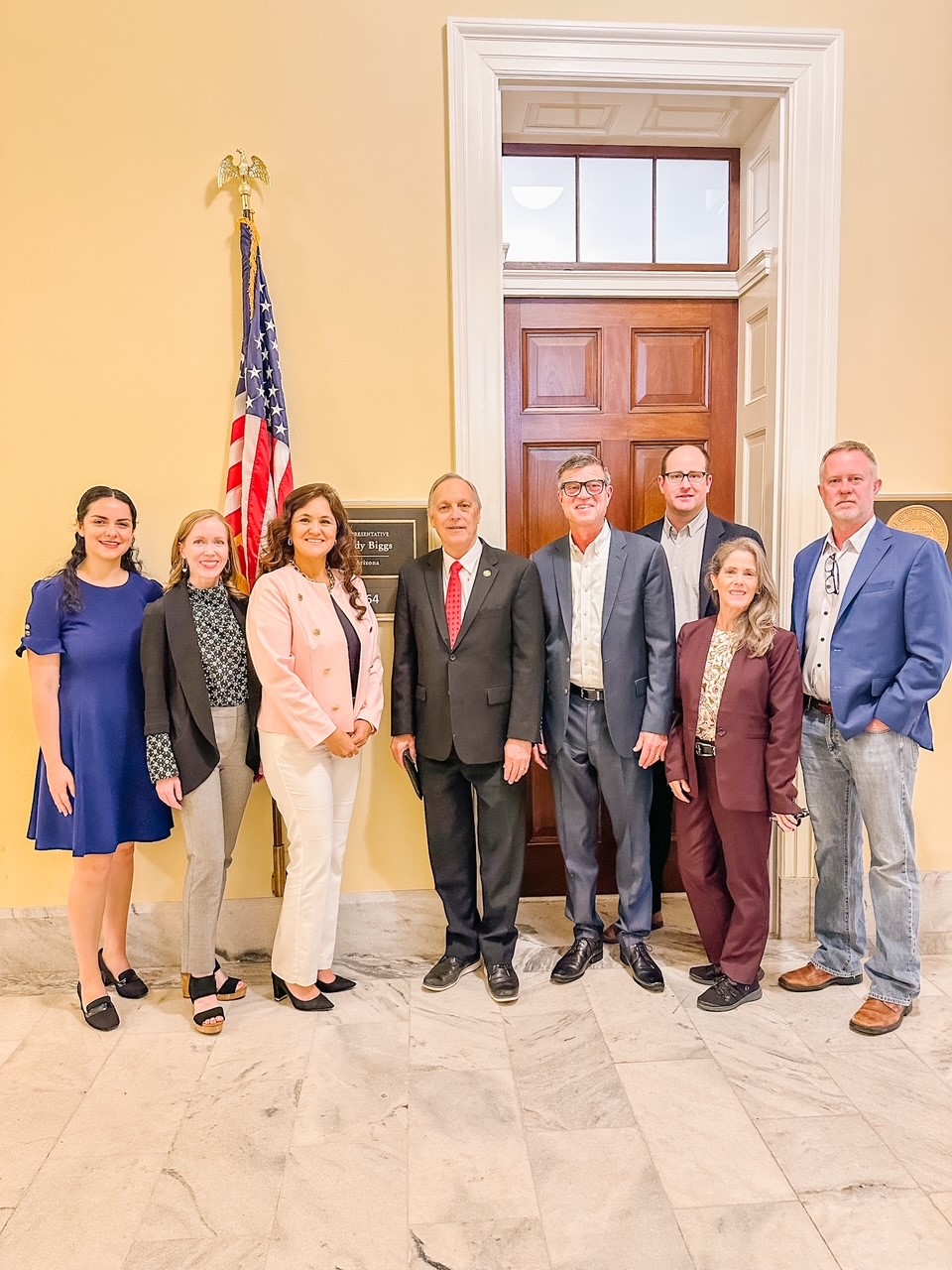
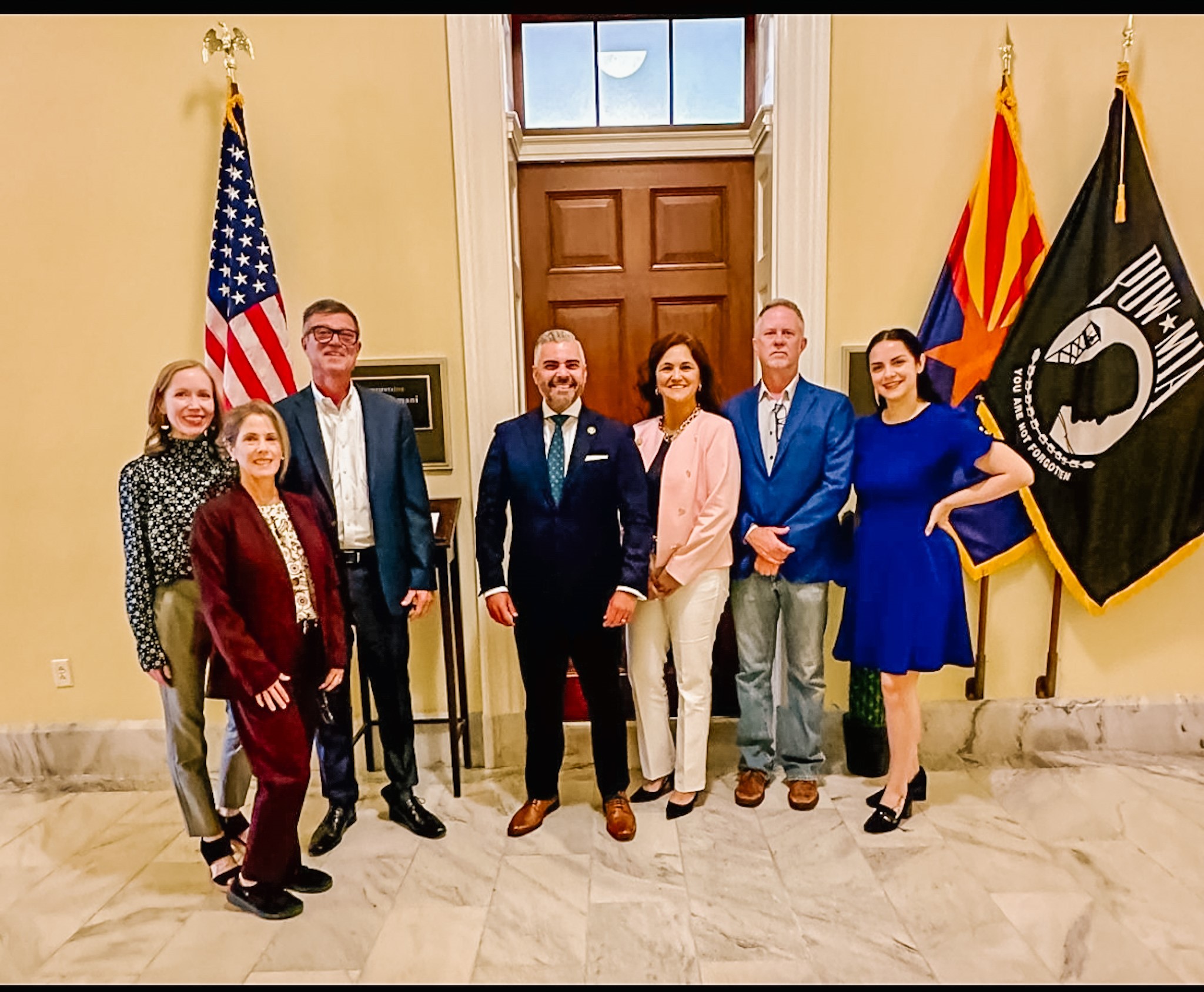
AZTC’s 2025 Fly-In Delegation:
- Arizona Technology Council Staff:
- Steven G. Zylstra, President and CEO
- Karla Morales, Vice President, Southern Arizona Regional Office
- Leslie Marquez, Director of Marketing + Communications
- AZTC Members:
- Sonia Vohnout, President & CEO, OppsSpot LLC
- Nadra Mamou, Director of Government Relations – West Region, Project Lead the Way
- Dr. Hugh Barnaby, Professor, Arizona State University
With TECNA’s support, AZTC participated in policy briefings, peer networking, and panel discussions featuring Amazon, ArentFox Schiff and national policy experts. Sessions explored emerging topics such as AI infrastructure, the Treasury’s tech priorities and strengthening U.S. trade through the USMCA.
Capitol Hill Advocacy:
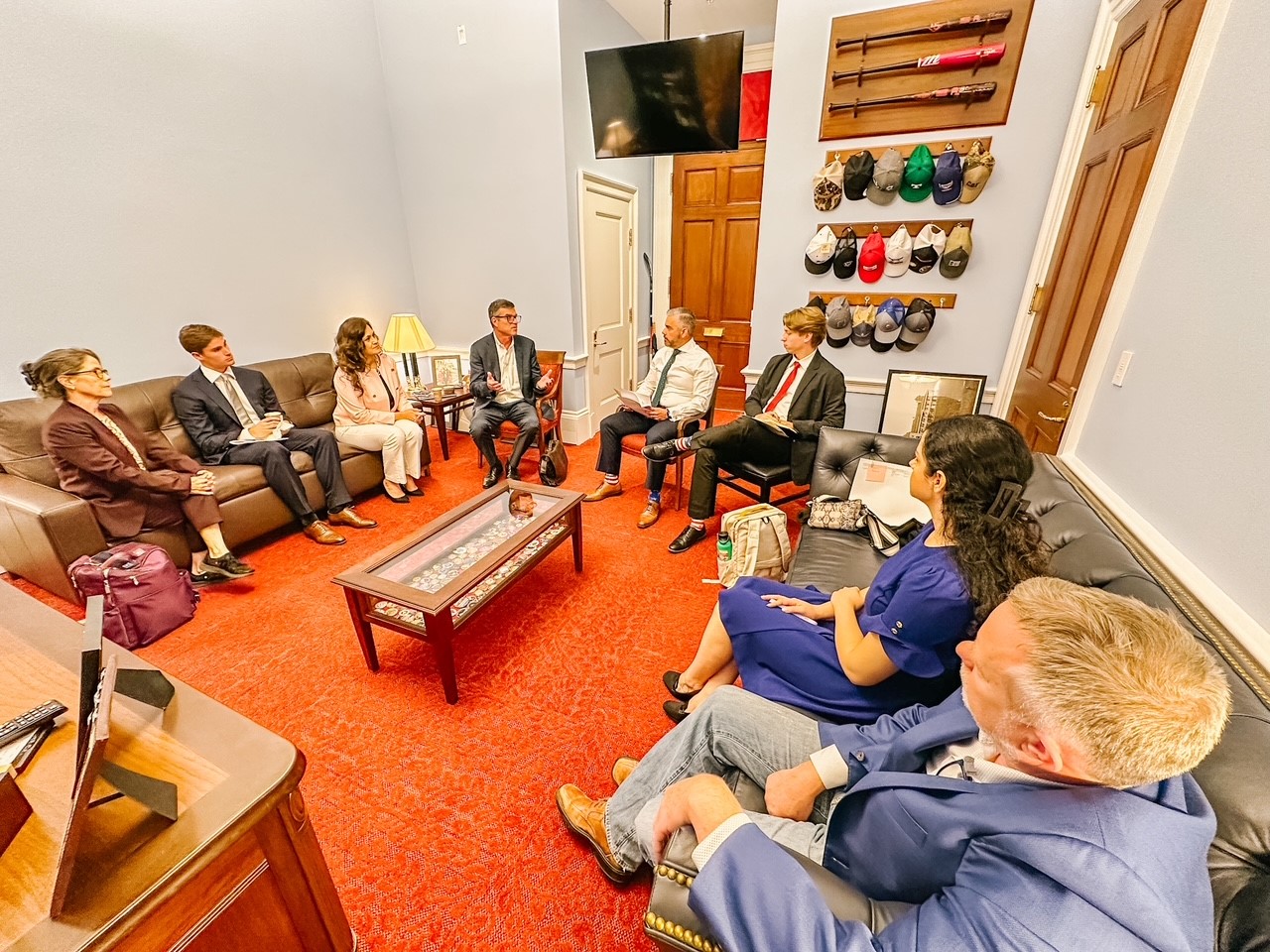
The highlight of the trip was a full day of meetings with teams representing nine members of Arizona’s congressional delegation to champion the interests of our state’s technology, science and innovation communities.
In each meeting, Steve shared the Council’s 2025 Policy Agenda, urging action on key federal priorities, including:
- Restoring Full R&D Expensing: The expiration of full expensing has created a chilling effect on innovation investment. We urged Congress to reinstate this crucial incentive to ensure companies can continue investing in the future without being penalized in the present.
- Protecting Clean Energy Tax Credits: These credits are fueling job growth, private investment and energy security. We defended the importance of keeping these incentives intact, particularly for solar, storage and electric vehicle infrastructure—all sectors where Arizona leads nationally.
- CHIPS and Science Act Implementation: We emphasized the need for sustained funding and swift deployment of CHIPS Act resources, especially given Arizona’s prominent role in reshoring semiconductor manufacturing.
- SBIR/STTR Reauthorization and Support: These programs are lifelines for startups and early-stage innovators. We called for their continued protection and predictable funding.
- STEM Education and Workforce Development: We made the case that the innovation economy is only as strong as its talent pipeline. Investments in STEM—from K-12 to workforce reskilling—are essential to our long-term competitiveness.
- Opposing Counterproductive Tariffs: Many of Arizona’s tech manufacturers rely on globally integrated supply chains. We argued against tariffs that would increase costs, reduce competitiveness and harm trade relationships vital to our state’s economy.
- Supporting the MEP Program: The Manufacturing Extension Partnership (MEP) is a vital resource for Arizona’s small and mid-sized manufacturers. We advocated robust federal funding to ensure continued support for productivity, innovation and supply chain resiliency through services provided by organizations like Arizona MEP.
In each meeting, we provided tailored data packets and talking points customized for each congressional district, including charts showing how proposed federal budget cuts would impact local jobs, research institutions and innovation ecosystems. The feedback from lawmakers and their staff was overwhelmingly positive. Several indicated specific ways they would follow up, including briefings, roundtables and letters of support.
Member Perspectives Elevated the Message:
- Sonia advocated for SBIR/STTR program reauthorization and voiced support for the Innovate Act, emphasizing the need to raise the indirect cost rate to support administrative needs of small businesses.
- Nadra stressed the importance of federal backing for Perkins V and WIOA programs to expand equitable access to career and technical education.
- Dr. Barnaby shared how the CHIPS and Science Act is transforming Arizona State University and driving national innovation through ASU’s new Southwest Advanced Prototyping (SWAP) Hub.
Conclusion
The Arizona Technology Council’s 2025 DC Fly-In reaffirmed the organization’s role as a key advocate for Arizona’s tech community. Through powerful conversations, compelling data and expert member input, AZTC advanced the priorities that matter most to the companies shaping Arizona’s innovation future. The Council remains committed to ensuring that federal policy keeps pace with the state’s growing role as a national tech leader.
Learn more about the Council’s Public Policy efforts >>