
Recycled wastewater is coming for Phoenix faucets. Leaders say it’s needed amid drought
In north Phoenix, where the landscape is a patchwork of scrubby desert and master-planned communities, the future of the city’s water system is taking shape.
With climate change and drought shrinking the amount of water in the rivers and reservoirs that supply the nation’s fifth-largest city, Phoenix is betting big on technology that can turn sewage into clean, safe drinking water. It will allow water managers to squeeze every last drop out of the supply they already have at a time when they expect less to be coming down the pipe from once-dependable sources.
“What we’re doing here in Phoenix,” said Max Wilson, the city’s water resources management advisor, “is really building the pathway for what’s just going to be the new normal for the next generation.”
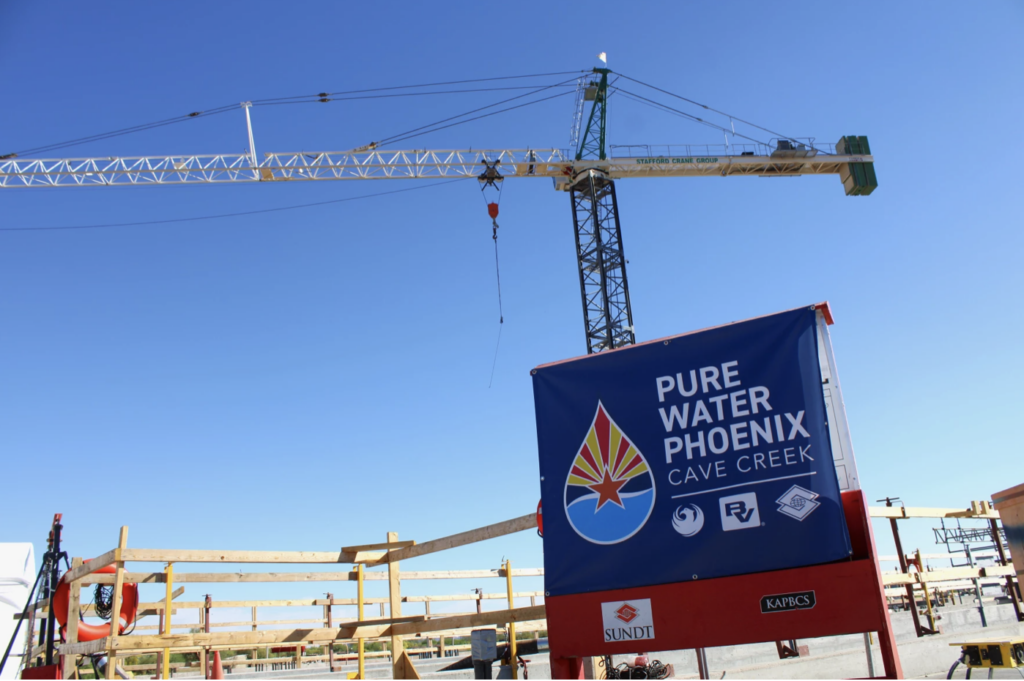
The Cave Creek Water Reclamation Plant will soon host the technology that makes that new normal possible. Water officials are about halfway through a major construction project that will cost roughly $350 million and aims to send purified water into city pipes in early 2029.
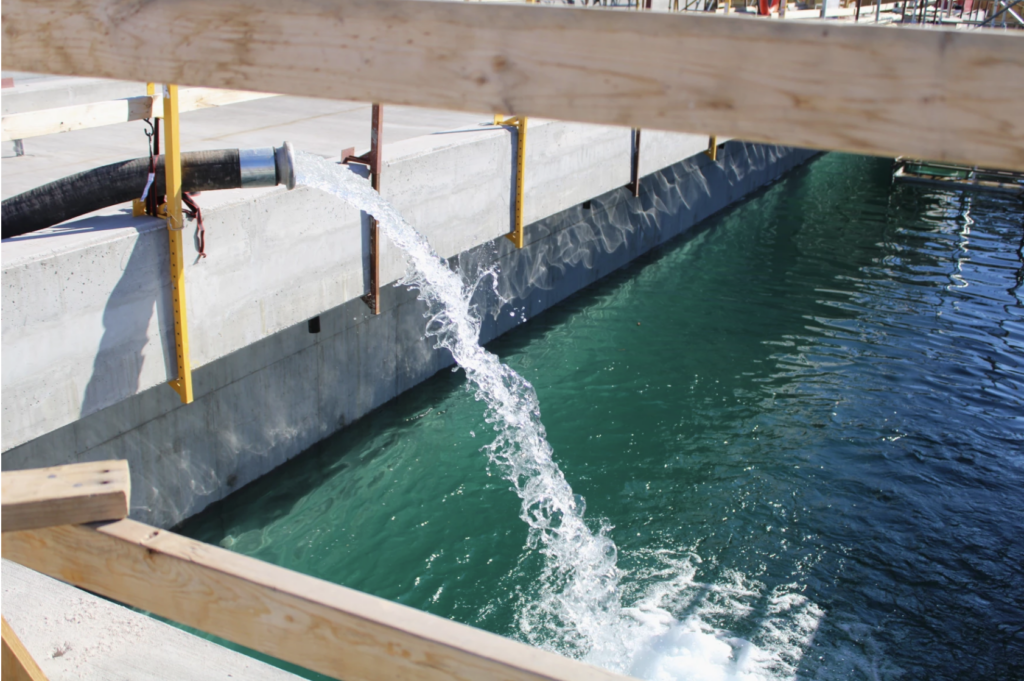
On a recent weekday afternoon, city officials watched as water poured into a massive concrete tank. The facility is still far from operational, but the introduction of water to the system — in this case, to test for leaks — marked a major milestone in the reclamation facility’s development and brought it one step closer to sending water to homes in the area.
The Cave Creek facility has been under development, in some form or another, since the late 1990s. It ran from 2000 to 2008, delivering recycled water to parks and golf courses. Then, home development near the plant slowed, demand for water dropped and the city mothballed the plant.
Nearly a decade later, as state environmental regulators were developing new rules for water reuse, Phoenix dusted off the Cave Creek plant and started drawing up plans to bring it online once state law allowed recycled water to be used in the drinking supply. Now, the massive overhaul at the Cave Creek facility puts Phoenix within striking distance of delivering recycled water to homes and businesses for the first time in Arizona history.
Wilson said the project is coming at a pivotal time, as federal officials are proposing steep cutbacks to the Central Arizona Project, which delivers Colorado River water to the Phoenix metro area.
“It’s incumbent on a desert city to get the most that it possibly can out of every drop of water that it can access,” he said. “Knowing that we have generations of leaders who have said that this day was going to come and that we needed to be prepared for it is part of why we’re able to withstand the size and scale of cuts that we’re talking about here in the next 12 to 18 months.”
Phoenix’s water department is not the only one spending big on this kind of technology, known as direct potable reuse.
The Metropolitan Water District of Southern California, which sends water to 19 million people in six counties, is building its own massive water recycling plant in the city of Carson, near Los Angeles. The plant is estimated to cost $9.4 billion, and could deliver water as early as 2035. In Colorado, some cities are considering their own wastewater reuse systems after the state published rules to guide cities that wanted to install the technology.
The city of Scottsdale ran a pilot program with a wastewater recycling facility, but did not deliver drinking water. Scottsdale officials are “exploring” advanced water purification, which would allow them to do so in the future.
As Phoenix gets closer to bringing its facility online, the city’s water leaders underscored that the water is completely safe.
“This technology will allow us to produce the cleanest and purest water that we will produce anywhere in the city of Phoenix,” said Nazario Prieto, assistant water services director for the city. “The science backs it up completely.”
Wilson said most of the city’s senior water executives, as well as some city leaders, live near the plant and will be among the first to drink the recycled water once the facility comes online.
“We’ll be drinking this water because we trust it,” he said. “We know that it’s safe.”