
CLIMATE MATTERS: Tucson, Local First Arizona map path to greener economy
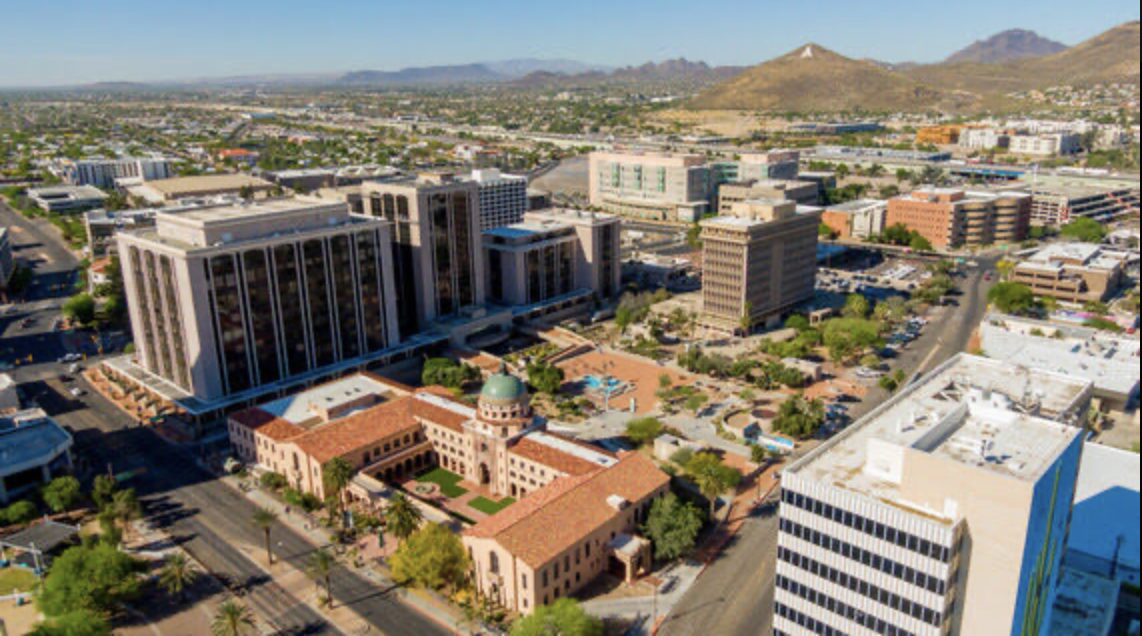
The City of Tucson and Local First Arizona are working together to expand the region’s clean-energy economy while creating new opportunities for workers and small businesses.
The partnership, developed through collaboration with the Urban Institute’s Climate Capacity Initiative, examined how Southern Arizona can connect climate investments to workforce training and local business growth. Tucson was one of three cities selected nationally for the program, alongside Newark, New Jersey, and Norfolk, Virginia.
Researchers focused on understanding where clean-energy investments are happening and what skills local workers will need to fill emerging jobs. The study also looked at how locally owned businesses can compete in growing sustainable industries.
“The Urban Institute’s research shows that climate action and economic development can, and should, go hand in hand,” Tucson Mayor Regina Romero said. “As we make investments that strengthen our climate resilience and accelerate the transition to clean energy, we also have an opportunity to create good jobs, strengthen locally owned businesses, and build pathways to economic prosperity for Tucson families.”
The research found more than 50,000 workers and 5,000 businesses already operate in sectors tied to the region’s sustainable economy. The University of Arizona, Pima Community College and a network of clean-energy companies provide a foundation for continued growth.
“The opportunity now is to connect economic development, workforce training, small-business support, and climate resilience strategies so that the benefits of future economic growth are broadly shared,” Oriya Cohen, lead researcher at the Urban Institute, said. “Through our work, we’ve seen the leadership, assets, and regional collaboration in Southern Arizona needed to move that vision forward.”
The study identified several ways Tucson can expand economic opportunity through clean energy. Recommendations include preparing residents for climate-resilience careers, helping small businesses compete for contracts in sustainable industries, and strengthening partnerships among employers and educational institutions.
Researchers also emphasized removing barriers that prevent residents and small businesses from participating in the transition to a sustainable economy. The findings suggest ensuring economic and climate investments create opportunities across Tucson’s neighborhoods and throughout Southern Arizona.
“Local First Arizona’s mission is to create inclusive economies to ensure opportunities are shared broadly,” Kimber Lanning, founder and CEO of Local First Arizona, said. “And the findings from the Urban Institute study provide a roadmap for growing Tucson’s small business sector to meet the needs of future sustainable and resilient economies.”
Representatives from Tucson and Local First Arizona presented the findings at an Urban Institute event in Washington, D.C. The City of Tucson’s Fatima Luna and Lane Mandle, along with Kimber Lanning and Ginger Sykes Torres from Local First Arizona, discussed how cities can integrate climate resilience into economic development while creating opportunities for workers and small businesses.
The work aligns with Romero’s approach to treating climate resilience as an economic opportunity while addressing water, heat and infrastructure challenges. The city created the Office of Community and Economic Impact earlier this year to coordinate equity, sustainability, cultural affairs and economic development efforts.
Tucson and Local First Arizona will use the research to guide future public and private investment decisions. Regional partners plan to continue building on the findings to strengthen the local economy.