
Arizona-based Tributary turns decades of hydrology research into tools for utilities
Story Highlights
- Arizona State University Professor Enrique Vivoni founded startup Tributary
- Tributary measures water benefits from forest restoration using AI
- The company uses lidar scans to model forest thinning effects
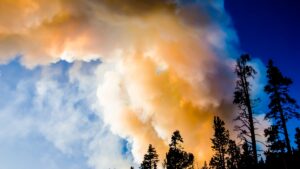
Wildfire seasons are getting longer and hotter, threatening forests and the water supplies they protect.
Forest restoration, especially thinning dense stands of trees, can reduce wildfire risk and improve water availability — but measuring the water benefits of forest management has been challenging.
That’s why Arizona State University Professor Enrique Vivoni founded the startup company Tributary. Its mission is to give utilities, governments, nonprofits and companies better tools to measure the real water outcomes of forest restoration projects.
The technical work is complex, but the outcomes are simple.
“Clients don’t want to wade through equations,” Vivoni says. “They want to know: How much water will this project save each year? That’s the translation we provide.”
As the ASU Fulton Professor of Hydrosystems Engineering in the School of Sustainable Engineering and the Built Environment, in the Ira A. Fulton Schools of Engineering, and director of the Center for Hydrologic Innovations, Vivoni has built a career teaching, mentoring and conducting research in hydrology and water resources in arid regions like Arizona.
Tributary grew out of decades of research and a desire to make his expertise useful beyond academia.
Vivoni teamed up with Zhaocheng Wang, an expert in remote sensing and AI, and Josh Cederstrom, an expert in technology development, and the trio is designing Tributary to bring this science to the market.
“This is a full-scale effort to make a real impact,” Cederstrom says. “We are taking rigorous science and making it usable for water managers and utilities.”