
How renewable energy can help save Arizona family farms, ranches
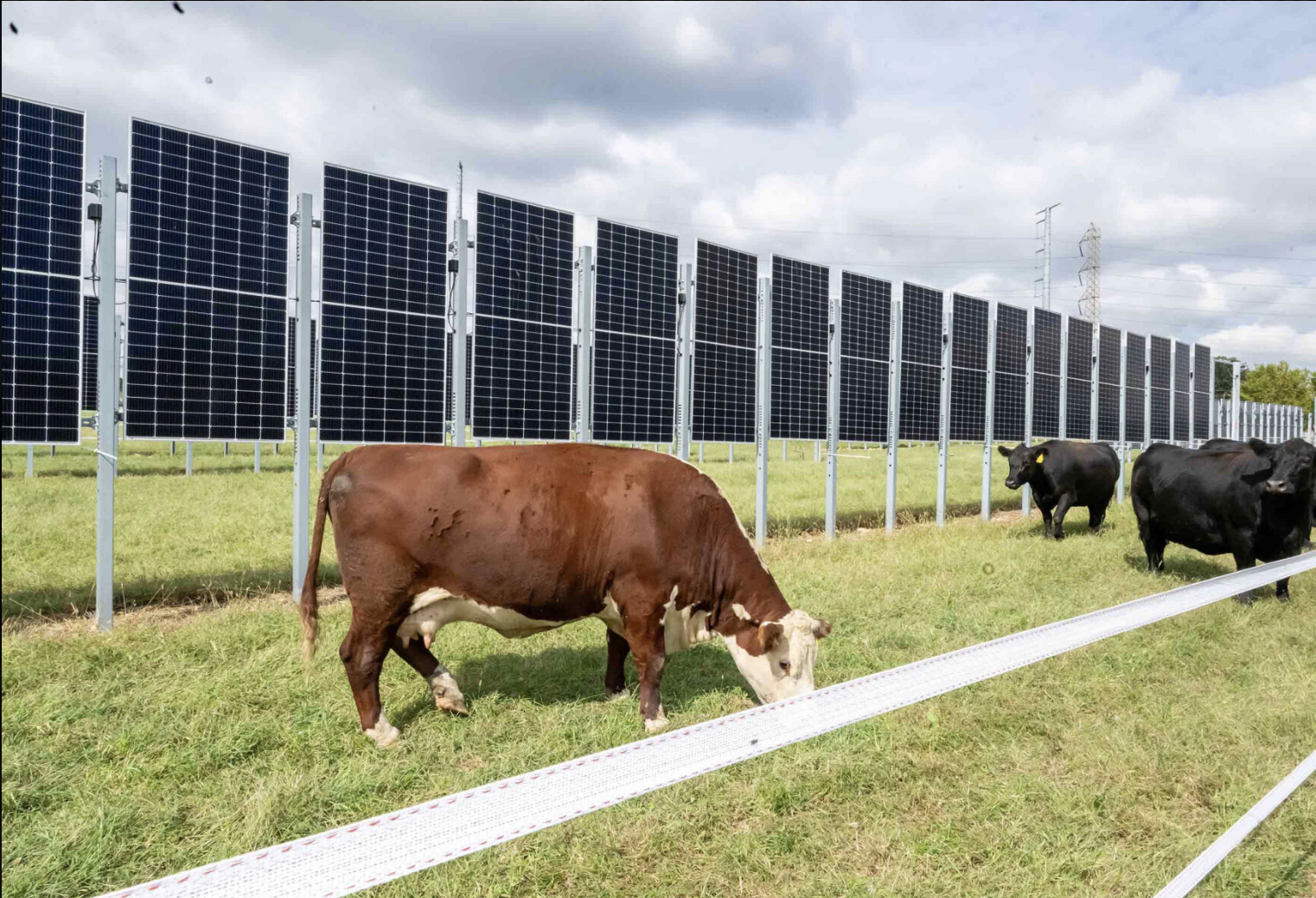
Cattle ranching isn’t a job. It’s a way of life. Nobody does this work to get rich. We’re constantly at the mercy of factors we can’t control: weather; the price of beef; pests; equipment breakdowns; livestock losses due to illness or predators; and more.
Where we operate, 640 acres of land will support six to eight head of cows. We might get six or so calves to sell in a decent year. If we’re lucky, my family can eke out a small living. If we’re not, things get tight.
None of these challenges are unique to us. It’s no wonder the U.S. cattle herd is the smallest it has been in 75 years.
Farming and ranching have always been difficult. One advantage I’ve got that my father and grandfather did not is the ability to use a portion of our land to make extra money from renewable energy. Our family receives payments from a company that has installed solar panels on a section of our property, while we continue to graze cattle on a mix of acreage we own and lease.
I know not everyone supports the decision we and other ranchers have made. Some people oppose renewable energy for political reasons, or they don’t like looking at solar panels or wind turbines on the horizon. Trust me, I wish the land looked the same way it did 100 years ago. But it doesn’t. There are more cars on the road and buildings in town and cell phone towers along the skyline. That’s reality.
My family has had to make decisions to survive. And the bottom line is, it’s our land. People here in the country used to respect the idea of private property, but I’ve been surprised how many rural Arizonans now think they should get a say in how we lawfully use our land. Or, want county or state government to intervene and tell us what we can or can’t do. It’s a bad idea to start putting our sacred private property rights to a public vote or risking them to the whim of politicians.
Installing solar panels on a portion of our property helps us make ends meet and keep the rest of our cattle ranch in operation. We didn’t have to subdivide and build homes, like has happened to so much of what used to be productive farms and ranches across Arizona. Since 1982, nearly 80 million acres of U.S. cropland, rangeland and pasture has gone out of production.
Everyone talks about the disappearing family farm in our country. Well, I would argue that renewable energy is one way to keep a lot of that acreage right where it belongs: in family hands. That’s what it did for us.
Randy Baird is a third-generation Arizona cattle rancher. He lives near Joseph City in Navajo County.