
Arizona needs sustainable data centers now more than ever | Opinion
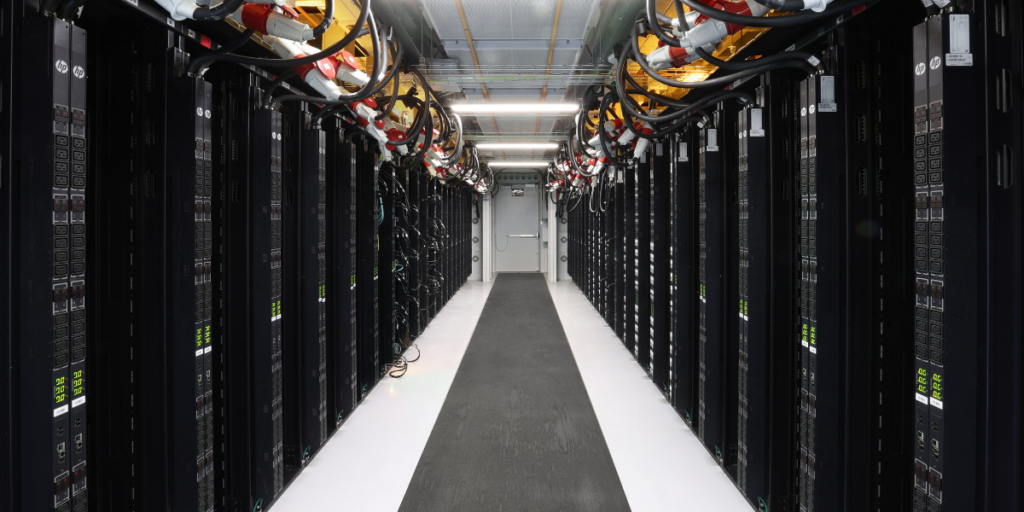
Data centers have been a hot-button issue in Arizona but the governor’s task force report on energy shows sustainable practices using solar or wind power are crucial to their success.
Steve Zylstra and Kelly Trombley
Arizona’s data center revolution is here to stay. Managing rapid growth without careful planning, however, may strain the power grid and fail to deliver community benefits. Coordination among developers, utilities, policymakers and communities will ensure data centers serve as economic enablers that bring new jobs and unlock affordable power.
A new report from Gov. Katie Hobbs’ Energy Promise Taskforce lays a path for the state to power data centers with affordable, clean energy and to plan in a way that modernizes the power grid and builds community trust for decades to come. Stakeholders should work together to implement this vision to keep Arizona at the forefront of the U.S. innovation economy.
Data centers are now core infrastructure and the cloud-based computing they enable is central to daily life. But they have large power needs that may increase pressure on our state’s grid. State policymakers and businesses have an urgent opportunity to ensure this record-breaking investment delivers community benefits while driving more efficient grid outlay and a more resilient energy system.
How can Arizona data centers ease neighborhood concerns?
The task force report demonstrates how Arizona can do that by focusing on integration and resilience rather than opposition. After all, more frequent extreme weather combined with the rapid growth in power demand from AI, advanced manufacturing and electrification of our cars, homes and buildings is highlighting our grid’s weaknesses. Encouraging responsible and innovative investments in our energy system is necessary for our 21st century economy.
Need a news break? Check out the all new PLAY hub with puzzles, games and more!
Importantly, the report offers a framework for community engagement on energy and data center projects to ensure sustainable development so residents aren’t bearing the costs of development and power grid upgrades.
The task force also rightly recognizes that clean energy like solar, wind and geothermal and battery storage are often the fastest and cheapest ways to meet this new power demand. Arizona’s deployment of wind and solar power has more than tripled in the past decade, including a record amount of solar capacity installed in 2025.
The strategic energy report outlines thoughtful ways to get those sources onto the grid even more quickly so data centers can take advantage of new clean power. Using grid-enhancing technologies to expand capacity without adding power lines can make those upgrades cheaper and help bring clean power online quickly.
How does policy impact data center integration?
To ensure the AI buildout and Arizona’s clean energy revolution go hand in hand, policy alignment matters. Data centers, battery factories and clean energy projects are part of the same innovative economic future. They share common challenges, like lengthy permitting delays and complex red tape that make it difficult to connect to the power grid. Formalized community agreements can bring transparency that ensures local buy-in, but to date they’ve been applied haphazardly. More upfront deployment of best practices will benefit businesses and communities in Arizona.
The report also starts a constructive conversation about water use. Companies here are already moving in a more sustainable direction. Google’s new data center in Mesa, for example, will use state-of-the-art air cooling to minimize water use at their facility. Both Google and Microsoft pledged to replenish more water than their operations consume globally, focusing efforts in water stressed regions such as Arizona. A coherent policy framework will ensure this kind of responsible deployment becomes the norm. It will enable data centers to operate responsibly by minimizing on-site water use. Additionally, it will allow them to consider potential tradeoffs and integrate cumulative impacts and indirect water use into their strategies.
Data centers should not increase neighborhood power use
Addressing these issues holistically and collaboratively benefits the entire advanced manufacturing and digital infrastructure ecosystem. The report suggests clear rules, transparent pricing, streamlined bureaucracy, and incentives rather than blunt constraints. These ideas have robust support across Arizona’s business community and will help keep power affordable for everyone.
We believe the AI-driven data center buildout is a massive opportunity for Arizona and for the country. But it should not spike power bills or pollute communities. The task force report is a crucial first step in making sure the state can capitalize on this chance to build a cleaner economy. Getting this once-in-a-generation investment opportunity right requires coordination across developers, utilities, policymakers and communities.
Arizona has a strong foundation. Now, stakeholders across Arizona — from the Legislature and Arizona Corporation Commission to companies and community groups — must act to implement these smart policies.
Steve Zylstra is president and CEO of Arizona Tech Council. Kelly Trombley is senior director, state policy, at Ceres.