
Crating Technology Guest Post: How Do Reusable Crating Systems Reduce Environmental Impact in the Supply Chain?
Sustainability in industrial logistics has shifted from a preference to a requirement.
Procurement teams are now evaluating vendors based not only on cost and protection, but also on environmental impact, waste reduction, and long-term supply chain efficiency.
For companies shipping high-value equipment, traditional single-use crating is becoming increasingly difficult to justify.
The Problem with One-Time-Use Crating
Most industrial crates are designed for strength, not reuse.
Once a shipment is delivered, the crate is often discarded due to storage limitations or lack of return logistics, creating unnecessary waste and repeated material consumption.
This leads to:
- Continuous lumber and material usage
- Increased disposal costs
- Higher environmental footprint per shipment
- Repetitive labor for crate reconstruction
For manufacturers and logistics teams shipping equipment regularly, this model is both costly and environmentally inefficient.
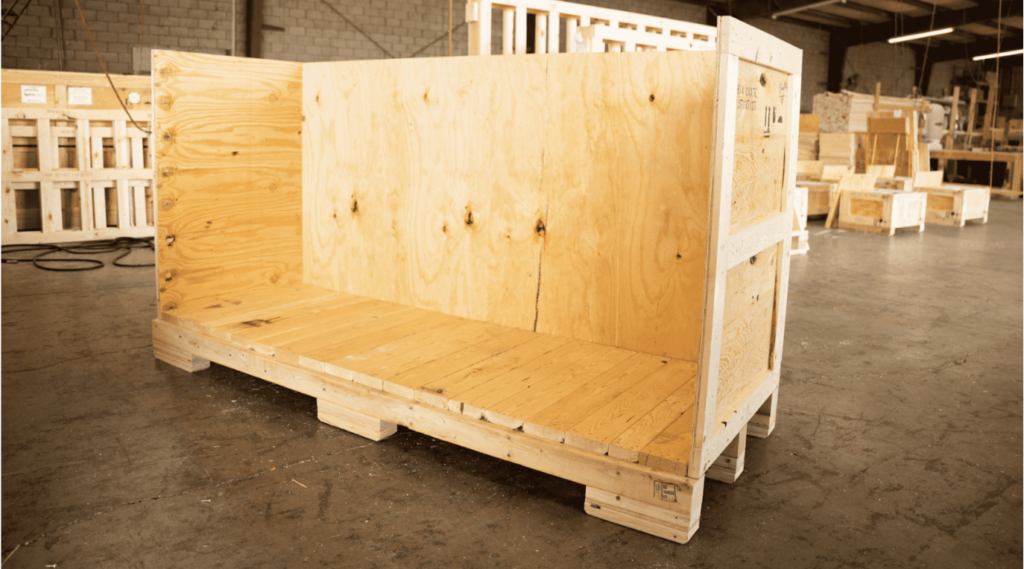
What Are Reusable Crating Systems?
Reusable crating systems are engineered packaging solutions designed for multiple shipping cycles.
They are built with durability, modularity, and repeat handling in mind, while maintaining the same level of protection required for sensitive or high-value equipment.
These systems typically include:
- Reinforced structural frames for repeated use
- Replaceable internal components such as foam or cushioning
- Standardized dimensions for stacking and storage
- Compatibility with engineered solutions like shockmount bases
Crating Technology applies engineered design principles to ensure these systems perform consistently across multiple shipments without compromising protection.
Reducing Environmental Impact Through Material Efficiency
The most direct sustainability benefit comes from reducing raw material consumption.
Instead of building a new crate for every shipment, companies reuse the same crate across multiple shipping cycles, significantly lowering:
- Wood consumption
- Foam and cushioning waste
Fastener and hardware usage
This aligns with circular economy packaging strategies, where materials are kept in use longer and waste is minimized.
For industries like semiconductor, aerospace, and energy, where shipping is frequent and highly specialized, the cumulative impact is substantial.
Lowering Carbon Emissions in Logistics
Environmental impact extends beyond materials into transportation and manufacturing.
Reusable crates reduce emissions by:
- Eliminating repeated manufacturing cycles
- Reducing packaging-related freight weight variability
- Supporting planned return logistics instead of one-way disposal
When designed correctly, reusable systems can be integrated into closed-loop logistics, reducing empty miles and improving overall transport efficiency.

Supporting ESG and Procurement Requirements
Sustainability is now tied directly to procurement decisions.
Organizations are increasingly required to report on environmental performance, including packaging waste and supply chain efficiency.
Reusable crating systems support ESG initiatives by improving:
- Waste reduction metrics
- Material reuse rates
- Supply chain sustainability reporting
- Vendor qualification criteria
This makes them especially valuable for companies working in regulated or high-compliance industries.
Real-World Application: Closed-Loop Crating Systems
One of the most effective uses of reusable crating is within closed-loop supply chains.
In this model, crates are returned after delivery and reused for future shipments, creating a controlled and repeatable logistics cycle.
This is commonly used for:
- Data center equipment deployments
- Manufacturing supply chains
- Recurring shipments between facilities
By designing crates specifically for reuse and return, companies can significantly reduce both environmental impact and operational inefficiencies.
Cost Savings Over Time
While reusable systems require an upfront investment, they reduce total cost of ownership over time.
Savings come from:
- Eliminating repeated crate fabrication
- Reducing disposal and waste handling costs
- Lowering damage risk through consistent packaging quality
For companies with recurring shipments, reusable crating quickly becomes a cost-effective solution.
Engineering Considerations for Reuse
Not all crates are suitable for reuse.
Without proper engineering, repeated use can lead to structural fatigue and increased risk of damage.
Crating Technology addresses this by designing reusable systems with:
- Load-specific engineering
- Integrated cushioning and protection systems
- Compliance with domestic and international shipping standards
This ensures durability without compromising shipment integrity.
Moving Toward Sustainable Industrial Packaging
Reusable crating is not just an environmental initiative.
It is a strategic approach to improving efficiency, reducing costs, and aligning with modern supply chain expectations.
Companies that adopt reusable systems gain a competitive advantage in both sustainability performance and operational reliability.
If your organization is evaluating ways to reduce packaging waste and improve logistics efficiency, consider requesting an assessment to determine whether reusable crating systems fit your operation, especially for businesses operating in Phoenix and surrounding areas.
FAQ: Reusable Crating & Sustainable Packaging
Q: How do reusable crating systems reduce environmental impact?
A: They reduce environmental impact by minimizing raw material usage, eliminating single-use waste, and lowering emissions associated with repeated crate manufacturing and disposal.
Q: What are sustainable alternatives to single-use wood crating?
A: Reusable engineered crates, modular crating systems, and closed-loop packaging solutions are the most effective alternatives for reducing waste in industrial shipping.
Q: How can manufacturers reduce packaging waste in their supply chain?
A: By implementing reusable crating systems, optimizing packaging design, and working with engineering-focused providers who design for lifecycle efficiency rather than one-time use.
Q: What crating materials are considered eco-friendly for industrial shipping?
A: Materials that are reusable, recyclable, or engineered for long lifecycle use, such as heat-treated wood designed for reuse, modular components, and optimized foam systems.
Q: Are there compliance or ESG benefits to reusable crating?
A: Yes. Reusable systems support ESG reporting, reduce measurable waste, and help organizations meet sustainability and procurement requirements increasingly required across industries.